
Garage-to-ADU conversions and ground-up detached units, delivered under a single licensed contract. Design, Miami-Dade NOA product approvals, permits, construction, and certificate of occupancy — all under one licensed GC contract, built to the state's toughest wind code.
Free ADU Consultation
Just your name and number — we'll call you back, usually within 24 hours.
No spam. We respond fast.
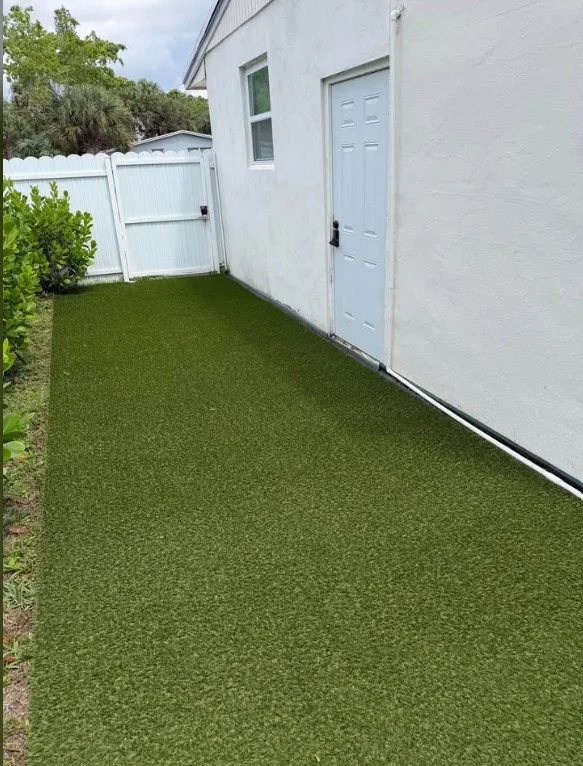
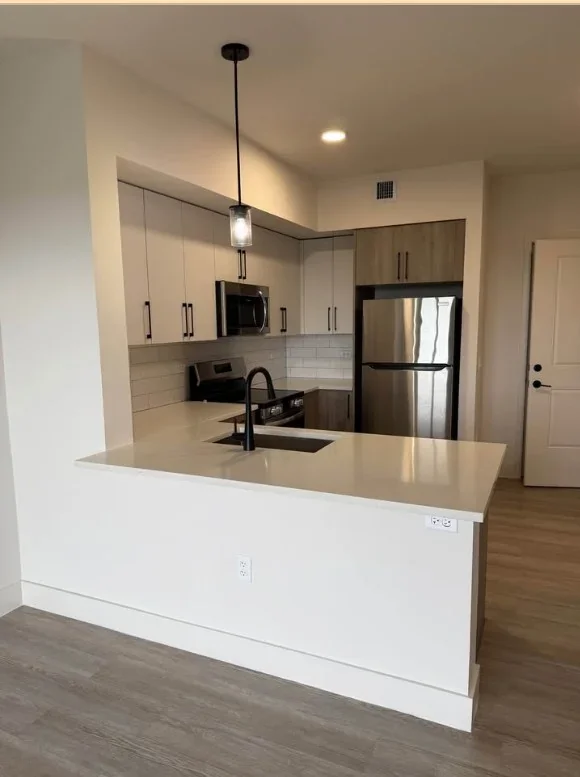
Representative example finishes for illustration — not a specific completed project.
Our ADU & Garage Conversion Work
How it works
ADUs in Miami-Dade involve zoning review, drawings that meet the high-velocity hurricane zone code, structural engineering, several permit desks, and a final inspection. We run all of it under one contract.
We confirm whether you are in unincorporated Miami-Dade or one of its many cities, then check setbacks, utilities, and flood elevation before any money goes into drawings.
Architectural drawings, HVHZ structural engineering, and product approvals for every window, door, and roofing component are prepared together. Permit fees are included in the written scope.
Framing, roofing, electrical, plumbing, insulation, drywall, flooring, and finishes are scheduled and coordinated under our general contractor license.
Inspections close out each trade and the certificate of occupancy is issued by the correct jurisdiction. You get a legal unit ready for family or a tenant.
What we build in Miami-Dade
In Miami-Dade a garage conversion is usually the quickest, lowest-cost route to a legal dwelling. A detached unit on a larger lot gives more room and rental potential. We build both to the high-velocity hurricane zone code.
An existing garage becomes permitted living space with a leveled floor, better insulation, mini-split HVAC, a sub-panel, plumbing for a kitchenette and bathroom, and a CO. New openings use approved impact-rated products.
A separate dwelling with its own foundation, HVHZ-rated structure, utility connections, kitchen, and bath, closed out with a CO. A good fit for rental income or an independent home for family.
Working with your own builder in Miami-Dade? We prepare drawings and HVHZ engineering, assemble NOA product documentation, file the permit with RER or the city, and manage the project through CO.
Honest pricing
ADU costs in Miami-Dade are higher than much of Florida because every exterior product needs a Miami-Dade NOA or an HVHZ-rated Florida Product Approval, and land and labor are among the most expensive in the state. Ranges include design, permits, and CO. We quote the full project in writing.
Converting a garage is the shortest route to a CO'd unit in Miami-Dade, since the walls, roof, and footprint already exist.
A new detached ADU of 400–800 sq ft with a new foundation, HVHZ-rated CBS structure, full mechanical systems, kitchenette or full kitchen, bathroom, separate utilities, and NOA-approved windows and roofing.
A detached ADU of 800–1,200+ sq ft with a full kitchen, one or two bedrooms and baths, laundry hookup, and high-spec finishes. Built for long-term rental income or a permanent family suite.
Miami-Dade County · What property owners need to know
ADU projects in Miami-Dade meet the strictest wind code in Florida, a patchwork of 34+ incorporated cities, and coastal flood review. A handyman or unlicensed contractor can't legally manage that.
Miami-Dade sits in Florida's High-Velocity Hurricane Zone with a 175 mph design wind speed, the highest in the state and above Broward's 170 mph. Windows, doors, garage doors, and roofing products must carry a Miami-Dade Notice of Acceptance (NOA) from the County's Product Control Section. Installing a non-rated product is a code violation that can block your CO at final inspection.
Miami-Dade County has 34 incorporated municipalities — Miami, Hialeah, Homestead, Miami Gardens, Coral Gables, Doral, and more — each running its own building department and zoning code, separate from unincorporated county areas reviewed by RER. The same ADU plan can face different setback and size rules depending purely on which side of a city line your lot sits. We confirm the correct reviewing authority before we ever submit.
Properties near canals, wetlands, or coastal flood zones often need review by Miami-Dade's Department of Environmental Resources Management (DERM) on top of standard building permits. That review covers septic and well setbacks, flood elevation (base flood elevation plus freeboard), and king-tide resilience rules stricter than those inland. We identify DERM triggers during feasibility, not after drawings are paid for.
Detached ADUs need electrical service (a new sub-panel or meter), a water connection, and a sewer tap. Florida HB 1339 caps ADU impact fees at the single-family rate, but Miami-Dade's school impact fee and utility connection costs still apply on top. We include a full fee assessment in the written scope instead of a rough estimate.
A certificate of occupancy is what makes an ADU legal to rent or occupy. Unpermitted in-law suites have no legal standing and create serious liability when you sell or insure, and they are a common code enforcement target in dense Miami-Dade neighborhoods. Every ADU we build is aimed at a CO at close-out.
We provide HVHZ-compliant drawings, manage the permit with whichever of the 34+ jurisdictions applies, coordinate all trades, and deliver the CO. You have one contract and one contact, not an architect, engineer, plumber, electrician, and framer you assembled yourself.
We bring the same feasibility-first ADU process we built across South Florida to Miami-Dade. Here is what shapes every project here.
The most common reason an ADU project stalls in Miami-Dade is discovering mid-design that a property's exterior products need Miami-Dade NOA approval rather than a standard statewide Florida Product Approval — or that a lot sits in unincorporated county versus one of 34 incorporated cities with its own, different rule set. We spend the first 1–2 weeks on feasibility — jurisdiction, zoning designation, lot coverage, flood zone, DERM triggers, and utility capacity — before anyone draws a line.
Impact fees and NOA-rated products are the other surprises that low estimates omit. Florida's HB 1339 now caps impact fees at the single-family rate, but HVHZ-rated windows, doors, and roofing systems cost meaningfully more than standard wind-borne-debris-region products used in most of the rest of the state. We identify every fee and every product requirement in writing before you sign — whether the project is in unincorporated Miami-Dade, the City of Miami, or any of the county's other 33 cities.
From Kendall to Homestead — Miami-Dade County is our largest South Florida market, backed by 10+ years of licensed GC experience in Florida.
Miami-Dade · Before you design
Miami-Dade isn’t one jurisdiction. The same project can follow different rules a few blocks apart, so we work through these steps before we price anything.
A Miami-area mailing address doesn’t tell you who permits your property. Check the property record to see whether your parcel sits in unincorporated Miami-Dade or in one of the county’s many municipalities, such as Miami, Hialeah, Doral, Coral Gables, Cutler Bay, or Homestead. Each city sets its own rules and runs its own building department.
FEMA flood zone status drives elevation and construction requirements, and lots near canals or Biscayne Bay can trigger added environmental review. This is common in low-lying parts of the county.
Some properties connect to county sewer while others use septic, and the county may require a sewer connection where service is available nearby. This affects utility cost and timeline.
Miami-Dade is in the High-Velocity Hurricane Zone, so exterior windows, doors, and roofing need Miami-Dade product approval (NOA). That affects materials and cost for any new exterior wall.
On dense urban lots in the City of Miami and Hialeah, garage conversions are often the practical option because setbacks limit a detached unit. Larger suburban and unincorporated lots have more room for a detached ADU.
Common questions
The process, the cost, what needs an NOA, and what makes an ADU legal to rent in Miami-Dade.
Yes. Miami-Dade County (along with Broward) sits in Florida's High-Velocity Hurricane Zone, with a 175 mph design wind speed — the highest in the state. Every window, door, roofing product, and exterior component used on an ADU must carry a Miami-Dade Notice of Acceptance (NOA) from the County's Product Control Section, or a statewide Florida Product Approval explicitly rated for HVHZ use. This is stricter than ordinary wind-borne debris region rules used in most of the rest of Florida, and it changes which products a builder can legally use.
Legally, only with a certificate of occupancy that lists it as a dwelling unit. An unpermitted conversion — even a beautifully finished one — cannot be legally rented and is a common code enforcement target in Miami-Dade. It can also complicate a future sale (disclosure is required) and jeopardize your insurance. We take each project all the way to the certificate of occupancy, which makes the unit legal and insurable from the start.
First, 4–8 weeks for design and engineering drawings. Permit review runs 4–14 weeks depending on whether the property sits in unincorporated Miami-Dade (reviewed by county RER) or one of the county's 34+ incorporated cities, each with its own building department. We manage this timeline and confirm the correct reviewing authority before we ever submit.
In unincorporated Miami-Dade, ADUs are generally reviewed under the county's AU, EU, and RU zoning designations, with RU-1 single-family districts requiring a minimum lot size around 7,500 sq ft and a typical ADU size range of roughly 400–800 sq ft. Incorporated cities such as the City of Miami, Hialeah, Homestead, and Miami Gardens each run separate zoning codes with their own size, setback, and lot-coverage rules. We confirm your specific jurisdiction and zoning designation before quoting — not after you've paid for drawings.
ADU projects in Miami-Dade typically include: impact fees (now capped at the single-family rate under Florida HB 1339, generally $5,000–$15,000 depending on jurisdiction), school impact fees (roughly $3,000–$5,000), utility connection fees ($4,000–$15,000), permit fees ($1,500–$4,000), and architectural drawings and HVHZ-rated engineering ($7,000–$20,000). Each of these is itemized in our written project total, so permit day brings no surprises.
Yes. Our state license is Certified General Contractor CGC1531095, which covers every phase of residential and commercial building, including HVHZ-rated ADU design-build. Our principal, Dariceli Kunhardt, has more than 10 years in construction and project management. Each project is permitted, inspected, and covered by our general contractor license. Check the license on the DBPR website any time.
ADU cost in Miami-Dade County ranges from $45,000 for a basic garage conversion to $200,000+ for a custom detached unit with HVHZ-rated construction and premium finishes. Our pricing includes design, NOA-compliant product selection, permits, construction, and CO — not just construction labor. The usual detached project of 400–800 sq ft costs $75,000–$130,000 in total.
Ready to explore?
Tell us your lot, your goals, and your timeline. We'll review zoning, NOA requirements, and give you an honest picture of what's buildable before you commit to anything.
Prefer email? office@dandcohomes.com
More from D&Co — Miami-Dade